


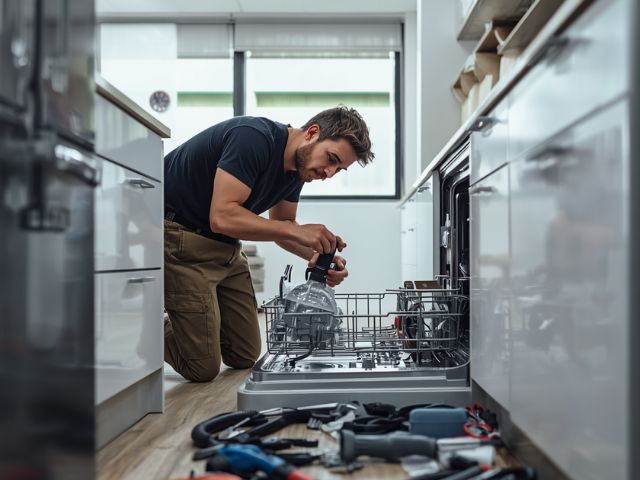
When temperatures soar, your home appliances quietly bear the brunt of the stress—and your KitchenAid washer is no exception. Heatwaves don’t just make your living space uncomfortable; they can significantly impact how efficiently your washer performs and how long it lasts. Excessive heat can strain internal components, accelerate wear and tear, and even lead to costly breakdowns if left unchecked.
Keeping your washer in peak condition during extreme heat isn’t complicated, but it does require awareness and proactive care. By understanding how heat affects your appliance and applying a few practical strategies, you can extend its lifespan, maintain efficiency, and avoid unnecessary repairs.
Why Heatwaves Can Be Tough on Your Washer
Heatwaves introduce a unique set of challenges for home appliances. Your KitchenAid washer relies on a combination of electrical, mechanical, and water-based systems—all of which are sensitive to temperature changes.
High ambient temperatures can cause internal components like motors and control boards to overheat. Rubber seals and hoses may dry out faster, becoming brittle and prone to cracking. Even detergents behave differently in extreme heat, potentially leaving residue that affects performance.
Additionally, your washer may work harder during hot months due to increased laundry loads—think sweaty clothes, linens, and towels. This added demand, combined with high temperatures, creates the perfect storm for premature wear.
Smart Placement Makes a Big Difference
Where your washer is located plays a major role in how it handles heat. If your unit is placed in a garage, laundry shed, or any poorly ventilated area, it’s more vulnerable to temperature spikes.
Ensure your washer is in a well-ventilated space where air can circulate freely. Avoid placing it directly against walls—leave a small gap behind and around the machine to allow heat to dissipate. If possible, keep the area shaded and away from direct sunlight.
For households where relocation isn’t an option, adding a small fan or improving airflow in the laundry area can help regulate temperature and prevent overheating.
Avoid Overloading During Hot Weather
It might be tempting to do fewer loads by stuffing your washer to the brim, especially during busy summer days. However, overloading your machine during a heatwave can do more harm than good.
An overloaded washer puts extra strain on the motor and drum, causing them to work harder and generate more heat. This added stress can accelerate wear and increase the risk of breakdowns.
Instead, stick to moderate load sizes. Not only will this reduce strain on the machine, but it will also improve cleaning performance and ensure clothes are rinsed thoroughly.
Use the Right Water Temperature Settings
During heatwaves, the temperature of your incoming water supply is already higher than usual. Using hot water cycles on top of that can push your washer’s internal temperature even further.
Opt for cold or warm water settings whenever possible. Modern detergents are designed to work effectively even in cold water, so you won’t sacrifice cleanliness. Lower temperatures reduce stress on your washer’s components and help maintain energy efficiency.
Keep Your Washer Clean and Ventilated
Heat and moisture create the perfect environment for mold, mildew, and detergent buildup. Over time, these can affect your washer’s performance and lead to unpleasant odors.
Regular cleaning is essential, especially during hot weather. Wipe down the drum, door seal, and detergent dispenser after use. Leave the washer door slightly open between cycles to allow moisture to escape and air to circulate.
Running a monthly cleaning cycle with a washer cleaner or a mixture of vinegar and baking soda can also help remove buildup and keep your appliance fresh.
Inspect Hoses and Seals Frequently
Heat can accelerate the deterioration of rubber components. Hoses and seals are particularly vulnerable, and small cracks can quickly turn into leaks if not addressed early.
Take a few minutes every couple of weeks to inspect your washer’s hoses for signs of wear, such as bulging, cracking, or stiffness. Check door seals for dryness or damage as well.
Replacing worn-out parts early is far more cost-effective than dealing with water damage or major repairs later.
Give Your Washer Time to Rest
Running multiple loads back-to-back during a heatwave can cause your washer to overheat. Like any machine, it needs time to cool down between cycles.
Allow short breaks between loads to prevent overheating and reduce strain on internal components. This simple habit can significantly extend the life of your appliance.
Protect Electrical Components
Heatwaves can also affect your home’s electrical system, leading to fluctuations or surges that may damage your washer.
Using a surge protector can help safeguard your appliance’s electronic components. Additionally, avoid running your washer during peak heat hours when power demand is highest, as this can increase the risk of voltage instability.
Don’t Ignore Warning Signs
Your washer often gives subtle clues when something isn’t right. During heatwaves, it’s especially important to pay attention to these signs:
- Unusual noises or vibrations
- Longer cycle times
- Inconsistent water drainage
- Error codes or warning lights
- Burning smells or excessive heat
Addressing these issues early can prevent more serious damage and costly repairs.
Schedule Professional Maintenance When Needed
Even with the best care, your washer may occasionally need professional attention. Regular maintenance checks can identify potential problems before they escalate.
If you notice persistent issues or want peace of mind during extreme weather, consider reaching out to KitchenAid Appliance Repair Professionals for expert service. A trained technician can thoroughly inspect your washer, clean internal components, and ensure everything is functioning optimally.
Balance Laundry Habits with Appliance Care
Heatwaves often lead to increased laundry demands, but balancing your usage habits can make a significant difference. Spreading out laundry loads throughout the week instead of doing them all in one day reduces stress on your washer.
You can also prioritize lighter fabrics and quick cycles during peak heat periods. This approach minimizes strain while still keeping up with household needs.
Stay Informed with Appliance Care Tips
Taking care of one appliance often leads to better habits across your entire home. If you’re looking to expand your knowledge and keep your kitchen appliances safe as well, check out this helpful guide:
Essential KitchenAid Stove Safety Tips for Holiday Cooking
Learning how to protect your appliances year-round ensures better performance, improved safety, and long-term savings.
Simple Upgrades That Make a Big Impact
Sometimes, small upgrades can go a long way in protecting your washer during heatwaves. Consider installing anti-vibration pads to reduce stress on internal components or upgrading to high-quality hoses that are more resistant to heat.
Improving insulation in your laundry area or adding ventilation systems can also create a more stable environment for your appliances.
Long-Term Benefits of Proper Washer Care
Taking proactive steps during heatwaves doesn’t just protect your washer in the short term—it also delivers lasting benefits. A well-maintained appliance operates more efficiently, uses less energy, and provides consistent cleaning results.
More importantly, extending the lifespan of your washer helps you avoid the cost and inconvenience of premature replacement. With proper care, your KitchenAid washer can continue serving your household reliably for years to come.
Frequently Asked Questions
How often should I clean my washer during hot weather?
It’s best to clean your washer at least once a month, but during heatwaves, a quick wipe-down after each use can help prevent buildup and odors.
Is it safe to use hot water cycles during a heatwave?
Yes, but it’s recommended to limit their use. Cold or warm cycles are more efficient and reduce stress on your washer.
What’s the biggest risk to washers during extreme heat?
Overheating of internal components is the most common issue, which can lead to reduced efficiency or permanent damage.
Can heat affect detergent performance?
Yes, high temperatures can cause detergent to dissolve too quickly or leave residue, which may impact cleaning results.
When should I call a professional?
If you notice unusual noises, leaks, or performance issues that persist despite basic maintenance, it’s time to seek professional help.
Keep Your Washer Running Strong All Summer Long
Heatwaves are unavoidable, but the damage they cause to your appliances doesn’t have to be. With a little extra care, attention, and smart usage habits, you can protect your KitchenAid washer from unnecessary strain and extend its lifespan.
By keeping your washer cool, clean, and properly maintained, you’re not just preserving an appliance—you’re ensuring convenience, efficiency, and peace of mind for your entire household.