


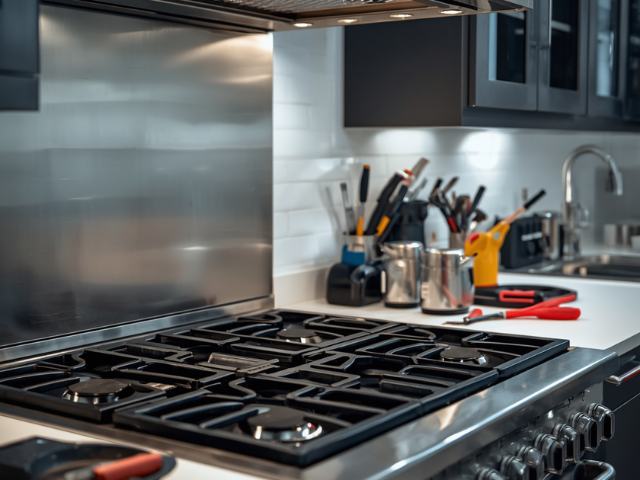
Hot, humid climates can be unforgiving—not just for people, but for kitchen appliances too. If you’ve ever noticed your KitchenAid range struggling to maintain consistent heat or taking longer to cook meals during warmer months, humidity could be the hidden culprit. Excess moisture in the air, combined with high temperatures, places additional strain on your appliance, affecting both performance and longevity.
Keeping your KitchenAid range running efficiently in these conditions isn’t complicated, but it does require awareness, proactive care, and a few smart habits. With the right approach, you can protect your investment, reduce energy consumption, and ensure every meal is cooked to perfection.
Why Heat and Humidity Affect Your KitchenAid Range
Humidity isn’t just uncomfortable—it actively interferes with how appliances function. KitchenAid ranges rely on precise temperature control, proper airflow, and clean internal components. When the surrounding air is saturated with moisture, several issues can arise.
Moisture can seep into electrical components, increasing the risk of corrosion or short circuits. At the same time, heat buildup forces the appliance to work harder to maintain stable temperatures. This combination can lead to uneven cooking, longer preheating times, and higher energy bills.
Even the burners and oven sensors can be affected. Gas burners may struggle with ignition consistency, while electric elements might not distribute heat as efficiently. Over time, these small inefficiencies can add up to noticeable performance problems.
Keep Your Kitchen Cool and Well-Ventilated
One of the simplest ways to support your KitchenAid range is by controlling the environment around it. Proper ventilation is essential in hot, humid climates.
Make sure your kitchen has adequate airflow. Use exhaust fans or range hoods while cooking to remove heat and moisture from the air. If possible, open windows or use additional fans to keep air circulating. This helps prevent heat from building up around your appliance, allowing it to operate under more stable conditions.
Avoid cooking during the hottest parts of the day whenever possible. Early mornings or evenings are ideal times to use your range, as ambient temperatures are lower and less stressful on the appliance.
Clean Your Range Regularly to Prevent Moisture Buildup
Humidity accelerates grime buildup. Grease, food particles, and moisture can combine to create a sticky residue that affects performance and hygiene.
Regular cleaning is more important than ever in humid environments. Wipe down your stovetop after each use and clean the oven interior frequently to prevent buildup. Pay special attention to burner ports, as clogged openings can lead to uneven flames or inefficient heating.
A clean appliance not only works better but also resists moisture-related damage. For deeper maintenance routines that extend beyond your range, consider reading
Revive Your Fridge: Post-Holiday Refrigerator Cleaning Tips
to keep your entire kitchen running efficiently.
Check Seals and Insulation for Maximum Efficiency
Your oven door seal plays a critical role in maintaining internal temperature. In humid conditions, seals can wear out faster due to constant exposure to moisture and heat.
Inspect the gasket around your oven door regularly. If you notice cracks, gaps, or looseness, it’s time for a replacement. A compromised seal allows heat to escape, forcing your range to work harder and increasing cooking times.
Proper insulation inside the oven is equally important. If you suspect your oven isn’t holding heat as well as it used to, it may be worth having it checked by a professional.
Protect Electrical Components from Humidity
Electrical systems are particularly vulnerable in humid environments. Moisture can lead to corrosion, which affects wiring, control panels, and sensors.
To minimize risks, avoid placing your range too close to sources of water, such as sinks or dishwashers. Keep the control panel dry and wipe away any condensation immediately.
If you notice flickering displays, delayed responses, or unusual error codes, these could be early signs of moisture interference. Addressing these issues quickly can prevent more serious damage down the line.
For expert diagnostics and repairs, you can rely on KitchenAid Appliance Repair Professionals to ensure your appliance remains in peak condition.
Use the Right Cookware for Better Heat Distribution
In hot and humid conditions, efficient cooking becomes even more important. Using the right cookware can make a noticeable difference.
Choose heavy-bottomed pots and pans that distribute heat evenly. Thin or low-quality cookware tends to create hot spots, which can worsen the effects of uneven heating caused by humidity.
Lids are also your best friend. Covering pots and pans traps heat inside, reducing cooking time and minimizing the workload on your range.
Avoid Overworking Your Range
It’s tempting to cook multiple dishes at once, especially during gatherings or meal prep sessions. However, overloading your KitchenAid range in hot weather can strain its components.
Give your appliance time to rest between extended cooking sessions. If you’re baking multiple batches, allow the oven to stabilize between uses. This helps maintain consistent performance and prevents overheating.
Spacing out cooking tasks not only protects your range but also improves the quality of your meals.
Monitor Performance for Early Warning Signs
Your KitchenAid range often gives subtle hints before a problem becomes serious. Paying attention to these signs can save you time and money.
Watch for uneven cooking results, longer preheating times, or unusual noises. These could indicate that your appliance is struggling under the stress of heat and humidity.
Addressing minor issues early prevents them from escalating into costly repairs. Regular inspections and maintenance checks are key to keeping everything running smoothly.
Schedule Preventive Maintenance
Routine maintenance is essential for any appliance, but it becomes even more critical in challenging climates. A professional technician can identify hidden issues that may not be obvious during everyday use.
Preventive maintenance includes checking electrical components, cleaning internal parts, calibrating temperature settings, and ensuring proper airflow. These steps help your KitchenAid range operate efficiently despite environmental challenges.
Think of it as an investment in your appliance’s longevity and your kitchen’s overall performance.
Smart Habits for Everyday Efficiency
Small daily habits can have a big impact on how well your KitchenAid range performs in hot, humid conditions.
Keep your kitchen organized and clutter-free to promote better airflow. Avoid blocking vents or placing items too close to the range. Use your range hood consistently, even for short cooking sessions.
Wipe down surfaces regularly to prevent moisture buildup, and always ensure your appliance is completely dry after cleaning. These simple actions can significantly extend the life of your range.
Creating a Resilient Kitchen Environment
Your KitchenAid range doesn’t operate in isolation—it’s part of a larger kitchen ecosystem. Managing humidity levels throughout your kitchen can improve the performance of all your appliances.
Consider using a dehumidifier if your kitchen tends to retain moisture. This not only benefits your range but also protects other appliances, cabinets, and food storage areas.
Maintaining a balanced environment reduces wear and tear, ensuring your kitchen remains functional and comfortable year-round.
Final Thoughts: Efficiency Starts with Awareness
Hot and humid conditions don’t have to compromise your KitchenAid range’s performance. With the right combination of maintenance, smart usage, and environmental control, you can keep your appliance running efficiently no matter the weather.
Consistency is key. Regular cleaning, proper ventilation, and timely inspections go a long way in preventing issues before they start. By staying proactive, you not only enhance your cooking experience but also extend the lifespan of your range.
A well-maintained KitchenAid range is more than just an appliance—it’s the heart of your kitchen, ready to deliver reliable performance even in the toughest conditions.