


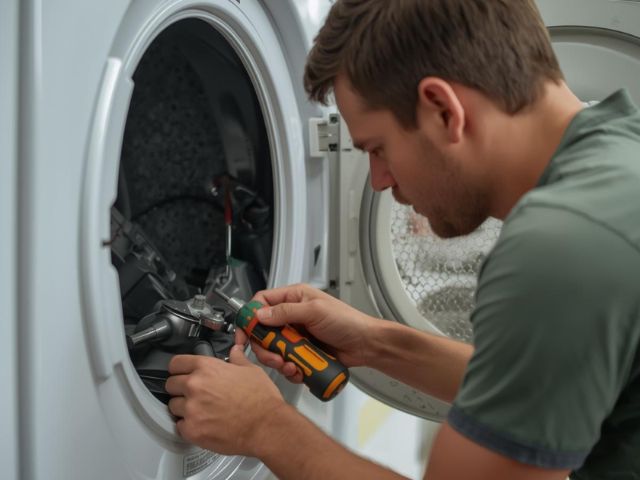
Few household problems are more frustrating than a Dryer Not Spinning that suddenly refuses to spin. You load up a basket of wet clothes, press start, and instead of the familiar tumbling sound, you’re met with silence—or worse, a humming noise with no movement. In Orange County, where busy schedules and warm weather mean laundry piles up fast, a non-spinning dryer can quickly disrupt your routine.
The good news? Not every dryer issue means an expensive repair or replacement. Some problems are surprisingly simple to diagnose and even fix on your own. Other times, knowing what’s wrong helps you decide when it’s time to bring in a professional. Let’s explore the most common reasons dryers stop spinning and what Orange County residents can do to get things moving again.
Understanding Why Your Dryer Drum Isn’t Moving
Before jumping into solutions, it helps to understand what actually makes your dryer spin. Inside your machine, a small motor works with belts, rollers, and pulleys to rotate the drum. When any of these parts fail or become misaligned, the drum may stop turning altogether.
In many cases, your dryer might still power on, produce heat, or make noise—but without spinning, it can’t dry clothes effectively. This is why diagnosing the root cause is more important than just restarting the appliance or pressing random buttons.
A Broken Drive Belt: The Most Common Culprit
One of the top reasons a dryer won’t spin is a snapped or worn-out drive belt. This belt wraps around the drum and connects it to the motor. Over time, especially in households that do frequent loads, the belt can stretch, crack, or break completely.
Signs of a broken belt include:
- The dryer turns on but the drum doesn’t move.
- You hear the motor running, but no tumbling sound.
- The drum spins freely by hand.
Replacing a drive belt is often affordable and relatively quick for a technician. For DIY enthusiasts, it’s possible to do yourself, but it requires opening the dryer cabinet and working with internal components—something not everyone feels comfortable doing.
Door Switch Problems That Stop the Spin
Dryers are designed with safety features that prevent operation if something isn’t right. One such feature is the door switch. If your dryer thinks the door is open, it won’t spin—even if it’s firmly shut.
A faulty door switch can trick your machine into believing the door is open all the time. This is common in older dryers or units that have been slammed shut repeatedly.
How to spot this issue:
- The dryer doesn’t start at all when you press the button.
- You have to jiggle the door to get any response.
- The interior light doesn’t turn off when the door closes.
Sometimes, replacing the door switch is all it takes to bring your dryer back to life.
Motor Failure: When the Heart of the Dryer Gives Up
The motor is what powers the drum’s movement. If the motor is burned out or overheating, your dryer won’t spin properly—or at all.
Motor problems often show up as:
- A humming or buzzing noise.
- A burning smell.
- The dryer stops mid-cycle.
Motor replacement is one of the more expensive repairs, and in older units, it may not be worth the cost. However, for newer models, a motor replacement can extend the life of your dryer by several years.
Worn-Out Rollers and Pulleys
Inside the dryer, small rollers support the drum and help it rotate smoothly. Over time, these parts wear down and can seize up.
When this happens, you might notice:
- Loud squeaking or grinding noises.
- The drum feels heavy to turn.
- The dryer starts, then stops.
Ignoring worn rollers or pulleys can lead to bigger issues, like motor strain or belt damage. Catching this early can save you from more expensive repairs later.
Overloading Your Dryer Can Stop It From Spinning
Sometimes, the problem isn’t mechanical at all—it’s simply too many clothes. Overloading your dryer puts excessive strain on the motor and belt, making it harder for the drum to rotate.
This is especially common with:
- Large blankets and comforters.
- Heavy towels.
- Mixed loads with uneven weight distribution.
If your dryer stops spinning mid-cycle, try removing half the load and restarting it. You might be surprised how often this simple fix works.
Electrical Issues and Control Board Failures
Modern dryers rely on electronic control boards to manage cycles, temperature, and movement. When the control board fails, your dryer may behave unpredictably—or not spin at all.
Signs of control board problems include:
- Random stopping.
- Error codes on digital displays.
- Buttons that don’t respond.
Control board repairs require professional diagnosis, as these components are sensitive and costly. A certified technician can test the board and determine if replacement is necessary.
Quick DIY Checks Before Calling a Technician
Before you assume the worst, try these simple troubleshooting steps:
- Unplug and reset the dryer. Leave it unplugged for 5 minutes to reset the system.
- Check for overloading. Reduce the load size and try again.
- Inspect the door latch. Make sure it clicks properly.
- Spin the drum by hand. If it feels unusually loose or stiff, internal parts may be damaged.
These steps won’t fix every issue, but they can save you time and money if the problem is minor.
When Professional Help Is the Smartest Choice
Some dryer problems are simply too complex—or risky—to handle alone. If your dryer involves internal electrical components, motor replacement, or belt reinstallation, calling an expert is the safest route.
Orange County homeowners often rely on KitchenAid Appliance Repair Professionals for reliable diagnostics and long-lasting repairs. A trained technician can quickly pinpoint the issue and prevent further damage, saving you from costly mistakes.
How Orange County’s Climate Affects Dryer Performance
Living in Orange County has its perks—sunshine, coastal breezes, and mild weather—but these conditions can also affect appliances.
Humidity, salty air near coastal areas, and dust accumulation can:
- Cause corrosion on internal components.
- Reduce electrical efficiency.
- Increase wear on belts and rollers.
Regular maintenance and occasional professional inspections help combat these environmental factors and extend your dryer’s lifespan.
Preventive Maintenance to Avoid Future Spin Issues
The best way to avoid a non-spinning dryer is proactive care. A few small habits can make a big difference:
- Clean the lint filter after every load.
- Vacuum dryer vents every few months.
- Avoid overloading.
- Schedule professional servicing once a year.
Preventive maintenance not only keeps your dryer spinning but also improves energy efficiency and reduces fire risk.
Learn From Other Appliance Fixes
If you’re interested in understanding more common appliance issues, you might also enjoy reading our related guide:
Ultimate Fix: How to Fix a Fridge That is Freezing Food.
It’s packed with practical tips to help you keep your kitchen running smoothly.
Frequently Asked Questions About Non-Spinning Dryers
Why does my dryer hum but not spin?
This often indicates a broken belt or a stuck drum. The motor is trying to run, but something is preventing movement.
Is it safe to use a dryer that doesn’t spin?
No. Running a dryer without proper rotation can overheat the motor and cause further damage.
How long does a typical dryer repair take?
Most repairs take 1–2 hours, depending on the issue and availability of parts.
Should I repair or replace my dryer?
If the repair cost is less than 50% of a new dryer and the unit is under 10 years old, repair is usually worth it.
Can I prevent dryer breakdowns completely?
Not entirely, but regular maintenance and proper usage can significantly reduce the risk.
Bringing Your Laundry Routine Back on Track
A dryer that won’t spin is more than an inconvenience—it disrupts your daily rhythm and adds unnecessary stress. Fortunately, many causes are easy to identify, and some are even simple to fix. Whether it’s a broken belt, faulty switch, or worn rollers, understanding what’s happening inside your dryer empowers you to make smarter decisions.
For Orange County residents, the key is acting quickly. Ignoring the problem can turn a small repair into a major expense. With the right troubleshooting steps and professional support when needed, you can restore your dryer’s performance and keep your home running smoothly.
Don’t let a stubborn appliance slow you down. Take control, stay informed, and keep your dryer spinning like new.