


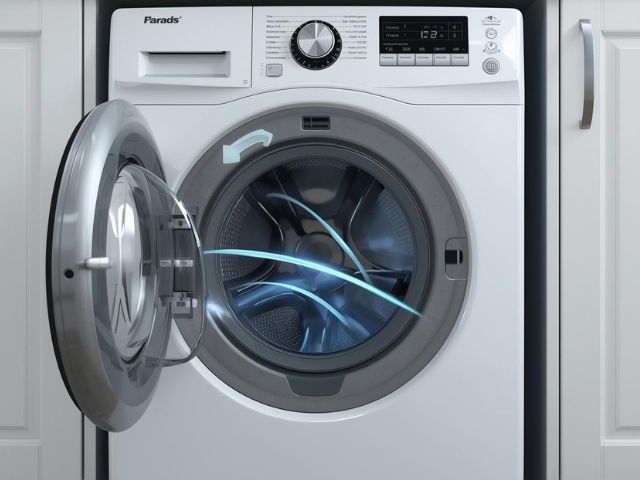
Apartment living in Glendale offers convenience, vibrant neighborhoods, and efficient urban lifestyles. However, one common frustration many residents experience is a washing machine that suddenly starts shaking, rattling, or vibrating excessively during cycles. When your KitchenAid washer begins to move aggressively across the floor or produce loud banging noises, it can quickly turn laundry day into a stressful situation—especially in shared living spaces where noise travels easily.
Excessive washer vibration is more than just an annoyance. It may signal installation problems, worn components, or environmental factors unique to apartment living. Understanding what causes these issues helps prevent costly damage while keeping your home peaceful and your appliance running smoothly.
Apartment Living and Why Washer Vibrations Become More Noticeable
Unlike single-family homes, Glendale apartments often have structural characteristics that amplify washer movement. Floors may be slightly uneven, laundry closets are compact, and appliances are frequently installed in tight spaces.
Many apartment buildings also use lightweight flooring systems designed for efficiency rather than heavy appliance stabilization. When a washer spins at high speeds, even small balance issues become exaggerated.
Residents commonly notice:
- Vibrations transferring through walls and floors
- Loud thumping sounds during spin cycles
- Appliances shifting position after each wash
- Neighbor complaints caused by noise or shaking
Because washers spin at extremely high RPMs, stability becomes essential. Even a minor imbalance can create dramatic motion inside an apartment environment.
Improper Washer Leveling: The Most Common Culprit
One of the leading reasons KitchenAid washers vibrate excessively is improper leveling. Washers must sit perfectly balanced on all four feet to distribute weight evenly during operation.
In Glendale apartments, flooring may slope slightly or settle over time. When one washer leg loses contact with the floor, the drum becomes unstable during spinning cycles.
Signs your washer isn’t level include:
- Rocking when pushed lightly
- Uneven gaps beneath washer feet
- Sudden loud vibration during high spin speeds
Adjusting leveling legs often solves the issue quickly. Using a simple bubble level tool ensures the appliance remains stable and prevents unnecessary strain on internal components.
Overloading or Underloading Laundry Cycles
Laundry habits play a bigger role than many people realize. Overloading a washer forces the drum to work harder, causing uneven weight distribution that leads to shaking.
At the same time, washing very small loads can also create imbalance. Heavy items like towels or blankets may clump together on one side of the drum.
Best practices include:
- Mixing large and small garments
- Avoiding tightly packed loads
- Distributing items evenly before starting cycles
- Washing bulky items separately when needed
Balanced loads help maintain smooth drum rotation and reduce stress on suspension systems.
Shipping Bolts That Were Never Removed
Surprisingly, many apartment residents experience severe vibration simply because shipping bolts remain installed after delivery.
These bolts stabilize the washer drum during transportation but must be removed before normal use. If left in place, the drum cannot move freely, resulting in intense shaking and loud banging sounds.
This situation commonly occurs when:
- Appliances are newly installed
- Units were relocated between apartments
- Installation was rushed during move-in
Checking your washer’s rear panel for leftover shipping bolts can immediately resolve extreme vibration problems.
Worn Suspension Rods and Shock Absorbers
Over time, internal washer components naturally wear down. Suspension rods and shock absorbers are designed to stabilize the drum during spin cycles, absorbing motion and preventing excessive movement.
When these parts weaken, the washer struggles to control vibration.
Common warning signs include:
- Increasing noise during spinning
- Washer jumping or shifting position
- Uneven spinning performance
- Persistent vibration despite balanced loads
Professional inspection becomes important at this stage because internal components require proper replacement to restore safe operation.
Homeowners and renters alike often rely on experienced technicians such as KitchenAid Appliance Repair Professionals when mechanical wear begins affecting appliance performance.
Flooring Types in Glendale Apartments That Increase Movement
Not all flooring reacts the same way to washer operation. Many Glendale apartment units feature laminate, tile, or engineered wood flooring, which can allow slight appliance movement compared to concrete foundations.
Certain surfaces reduce friction beneath washer feet, making vibration more noticeable.
Problematic flooring conditions include:
- Smooth tile surfaces
- Flexible subfloors
- Older apartment structures
- Elevated laundry closets
Adding anti-vibration pads or reinforced washer mats can significantly minimize motion while protecting floors from long-term damage.
Drainage and Water Distribution Problems
Another overlooked cause of vibration involves improper drainage or water imbalance inside the drum.
If water fails to drain evenly, remaining moisture shifts weight distribution during spinning cycles. This imbalance forces the washer to compensate aggressively, creating shaking or loud knocking sounds.
Potential causes include:
- Partially clogged drain hoses
- Pump performance issues
- Kinked water lines
- Detergent buildup affecting sensors
Routine maintenance and occasional cleaning help maintain efficient water flow and balanced spinning performance.
Small Apartment Spaces Amplify Noise and Motion
Laundry areas in Glendale apartments are often compact—sometimes tucked into hall closets or kitchen corners. These confined spaces can amplify normal operational sounds.
When washers sit too close to walls or cabinets, vibrations transfer directly into surrounding structures.
Simple spacing adjustments can help:
- Leave small clearance gaps around the washer
- Avoid direct wall contact
- Ensure hoses aren’t pressing against surfaces
- Use vibration-dampening materials beneath feet
These small improvements can dramatically reduce perceived noise levels throughout the apartment.
Preventive Maintenance That Keeps Your Washer Stable
Preventive care plays a major role in avoiding excessive vibration problems. Regular inspections help identify early warning signs before they escalate into expensive repairs.
Smart maintenance habits include:
- Checking washer leveling every few months
- Cleaning filters and drain systems
- Inspecting hoses for tension or blockage
- Running maintenance wash cycles
- Monitoring unusual noises early
Appliances maintained consistently operate more efficiently and last significantly longer.
For homeowners interested in protecting multiple kitchen and laundry appliances, helpful maintenance insights can also be found in Tips on How to Fix Refrigerator Lights Damaged by Wildfire, which explores practical ways to safeguard household equipment from unexpected damage.
When Excessive Vibration Signals a Bigger Problem
Sometimes vibration indicates deeper mechanical or structural concerns that shouldn’t be ignored. Continued operation under unstable conditions can damage internal parts or even surrounding property.
Serious warning signs include:
- Burning smells during operation
- Persistent loud banging sounds
- Washer walking across the floor
- Water leaks appearing nearby
- Spin cycles stopping unexpectedly
Ignoring these symptoms may lead to drum damage, motor strain, or costly replacements.
Prompt professional diagnosis prevents further complications and protects both your appliance and apartment environment.
Tips for Keeping Peace With Apartment Neighbors
Washer vibration doesn’t only affect your home—it can impact neighbors living above, below, or beside your unit. Glendale apartment communities often have noise guidelines, making appliance stability especially important.
Helpful strategies include:
- Running laundry during daytime hours
- Avoiding late-night spin cycles
- Using vibration pads
- Keeping loads balanced
- Scheduling routine inspections
Maintaining a quiet appliance helps preserve positive relationships within shared living spaces.
Why Early Action Saves Money and Stress
Many residents delay addressing washer vibration because the appliance still technically works. Unfortunately, prolonged shaking accelerates wear on motors, bearings, and internal supports.
Early fixes are typically simple and affordable compared to major component replacement later on.
Addressing vibration quickly helps:
- Extend washer lifespan
- Reduce energy consumption
- Prevent apartment floor damage
- Avoid emergency repair costs
- Maintain safe appliance operation
A stable washer not only performs better but also protects your investment long-term.
Creating a Smooth Laundry Experience in Glendale Apartments
Living comfortably in Glendale apartments means optimizing appliances for smaller spaces and shared environments. A properly functioning KitchenAid washer should operate smoothly with minimal noise and movement.
By understanding common causes—such as leveling issues, load imbalance, worn suspension systems, or flooring challenges—you can quickly identify solutions before problems worsen.
Laundry should feel routine, not disruptive. With proper setup, consistent maintenance, and timely professional attention when needed, excessive vibration becomes an easily manageable issue rather than an ongoing frustration.
Frequently Asked Questions
Why does my KitchenAid washer shake only during spin cycles?
Spin cycles operate at the highest speed, making imbalance or worn suspension parts more noticeable during this phase.
Can apartment flooring really cause washer vibration?
Yes. Flexible or uneven flooring commonly found in apartments can amplify washer movement.
Are anti-vibration pads effective?
They significantly reduce movement and noise, especially on tile or laminate floors.
Is it safe to keep using a vibrating washer?
Occasional minor vibration is normal, but strong shaking should be inspected to prevent internal damage.
How often should washers be checked for leveling?
Checking every few months or after moving the appliance helps maintain stability.
Final Thoughts: Restore Quiet and Confidence to Laundry Day
Excessive washer vibration can disrupt daily routines, create unnecessary stress, and even affect apartment neighbors. Fortunately, most causes are identifiable and preventable with the right knowledge and maintenance habits.
Whether the issue stems from installation, load balance, flooring conditions, or worn components, taking action early ensures smoother performance and a quieter home. A well-maintained KitchenAid washer transforms laundry from a noisy inconvenience into a dependable part of apartment living—allowing Glendale residents to enjoy comfort, efficiency, and peace of mind every wash day.