


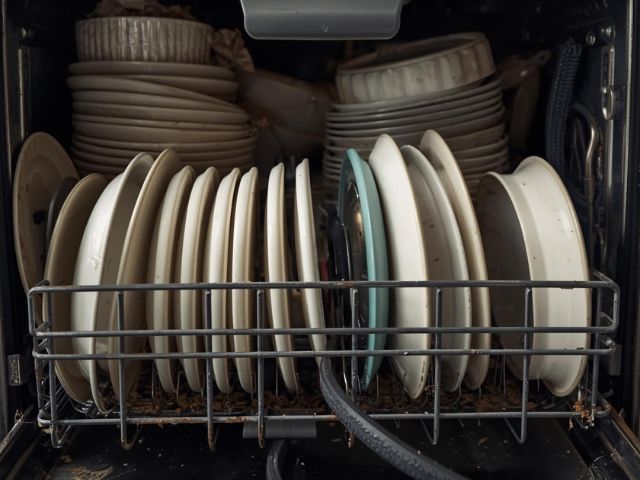
A dishwasher is supposed to simplify your life, but nothing is more frustrating than unloading dirty dishes after a full cycle. If you live in Burbank and are constantly battling spots, residue, or partially cleaned plates, this guide offers practical solutions to restore your dishwasher’s efficiency. From basic maintenance to professional help, here’s everything you need to know to stop dealing with dirty dishes.
Understanding Why Your Dishwasher Leaves Dishes Dirty
Before rushing to repair or replace your appliance, it helps to understand the common reasons dishwashers fail to clean properly:
- Clogged Spray Arms: Spray arms distribute water to clean dishes. Food particles, hard water deposits, or mineral buildup can block the nozzles, reducing water coverage.
- Overloading the Dishwasher: Stacking dishes too tightly can prevent water from reaching all surfaces. Plates, bowls, and pots must allow space for proper spray action.
- Using the Wrong Detergent: Powder, gel, or pods may react differently with your water type. Low-quality detergents may leave residue.
- Dirty Filters: Most dishwashers have a filter to catch food debris. A clogged filter reduces water circulation and may leave particles on your dishes.
- Low Water Temperature: Dishwasher water should be around 120°F. Cooler water will not dissolve detergent effectively, leaving grime behind.
Understanding these causes is key to deciding whether you can fix the problem yourself or need professional intervention.
Quick Fixes You Can Try at Home
Sometimes, a few simple adjustments can make your dishwasher perform like new:
Check and Clean Spray Arms
- Remove the spray arms according to your dishwasher manual.
- Rinse with warm water and use a toothpick to unclog any blocked holes.
- Reinstall securely, ensuring they rotate freely.
Inspect and Clean the Filter
- Pull out the bottom filter and rinse under running water.
- Use a soft brush to remove stubborn particles.
- Reinstall carefully to prevent leaks or blockages.
Load Dishes Correctly
- Place plates in the bottom rack facing the spray arms.
- Bowls and pots should be angled to allow water to reach all surfaces.
- Avoid overlapping utensils and stacking too tightly.
Choose the Right Detergent and Rinse Aid
- Use a high-quality detergent compatible with your dishwasher and water hardness.
- Rinse aids help prevent water spots and improve drying.
Run Hot Water Before Starting the Cycle
- Turn on the kitchen faucet until the water is hot before starting the dishwasher.
- This ensures the dishwasher begins with sufficiently hot water for cleaning.
Advanced Solutions for Persistent Problems
If your dishes are still coming out dirty after trying these tips, it might be time to explore more advanced solutions:
Deep Cleaning with Vinegar or Dishwasher Cleaner
- Place a cup of white vinegar in a dishwasher-safe container on the top rack.
- Run a full cycle on hot. Vinegar removes grease and mineral deposits.
- Commercial dishwasher cleaners are also effective for stubborn buildup.
Inspect the Water Supply and Drainage
- Low water pressure or blocked drainage can prevent proper cleaning.
- Check hoses for kinks, leaks, or clogs.
- Ensure the drain is free of debris to allow water to flow out efficiently.
Consider Hard Water Treatment
- Hard water can leave mineral deposits on dishes and inside the machine.
- Installing a water softener or using detergent specifically designed for hard water can improve results.
When to Call a Professional
If you’ve tried all the DIY solutions and your dishwasher still leaves dishes dirty, it may be time to seek professional help. Issues like malfunctioning pumps, broken spray arms, faulty heating elements, or persistent clogs often require expert repair.
For residents in Burbank, KitchenAid Appliance Repair Professionals offer specialized services to restore your dishwasher to full efficiency. Their experienced technicians can diagnose complex problems and perform repairs safely and quickly, saving you time and frustration.
Preventing Future Dishwasher Problems
Once your dishwasher is clean and functioning, a few preventative measures can keep it running efficiently:
- Regular Maintenance: Clean filters, spray arms, and seals monthly.
- Use the Right Detergent: Always use recommended products for your water type.
- Rinse Dishes Before Loading: Scrape off large food debris before washing.
- Avoid Overloading: Leave space between items to allow water circulation.
- Run Hot Water: Ensure the water entering the dishwasher is sufficiently hot.
A little routine care goes a long way in keeping dishes sparkling and reducing the need for repairs.
Related Tip: Mid-Cycle Stops
Sometimes, the dishwasher may stop mid-cycle, leaving dishes partially cleaned. If you encounter this, check out our previous guide: What to Do When KitchenAid Appliance Stops Mid-Cycle. It covers troubleshooting steps to get your machine back on track without damaging dishes or the appliance itself.
Signs You Need a Dishwasher Replacement
Even with proper maintenance, some dishwashers may be past their prime. Consider replacement if you notice:
- Consistent dirty dishes despite correct loading and detergent.
- Leaks or unusual noises during operation.
- Rusting racks or worn-out seals.
- Frequent need for professional repairs, making replacement more cost-effective.
A modern dishwasher offers better energy efficiency, quieter operation, and improved cleaning technology, saving time and money in the long run.
Eco-Friendly Dishwashing Tips
For those who are environmentally conscious, it’s possible to reduce water and energy use while still getting sparkling dishes:
- Only run full loads.
- Use energy-saving or eco modes.
- Avoid pre-rinsing under running water unless necessary.
- Maintain the dishwasher for peak efficiency, which reduces wasted cycles.
Small adjustments can significantly reduce water and energy consumption while still keeping your kitchen clean.
Frequently Asked Questions
- Why are my dishes still dirty after a full cycle?
Clogged spray arms, dirty filters, low water temperature, or detergent issues are common causes. - Can I fix a dishwasher that leaves dishes dirty myself?
Yes, cleaning spray arms, filters, and adjusting loading techniques can solve many problems. - When should I call a professional?
Call a professional if issues persist after basic maintenance or if mechanical components like pumps, heating elements, or valves are malfunctioning. - How can I prevent future dishwasher issues?
Regular maintenance, proper loading, using the right detergent, and running hot water before cycles can prevent most problems. - Does water hardness affect cleaning performance?
Yes, hard water can leave mineral deposits on dishes and inside the machine, reducing cleaning efficiency.
Conclusion: Sparkling Dishes Are Within Reach
Dirty dishes don’t have to be a permanent frustration. With proper cleaning, maintenance, and occasional professional help from KitchenAid Appliance Repair Professionals, your dishwasher can return to peak performance. By addressing the root causes of poor cleaning, implementing preventative measures, and using the right detergents and techniques, you can enjoy spotless dishes with every cycle.
Don’t let a malfunctioning dishwasher disrupt your kitchen routine. Follow these tips and take action to keep your Burbank kitchen clean, efficient, and stress-free.