


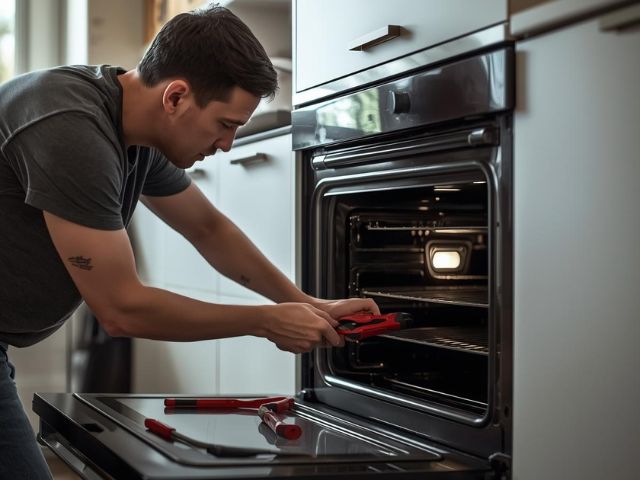
A broken KitchenAid Oven Repair rarely happens at a convenient time. In fact, it often occurs when you’re preparing for a busy evening—like hosting family or cooking a special meal. That’s exactly what happened to one homeowner in Anaheim who suddenly found their KitchenAid oven refusing to heat properly just hours before dinner.
What began as a stressful moment quickly turned into a success story. With the right diagnosis, quick thinking, and expert repair work, the oven was restored and dinner was served right on time. This real-world experience highlights not only how modern ovens can fail unexpectedly but also how the right repair strategy can bring them back to life quickly.
Let’s walk through the situation, the troubleshooting process, and the valuable lessons every homeowner can learn from it.
When Dinner Plans Suddenly Go Wrong
It started like many ordinary evenings. The Anaheim homeowner preheated their KitchenAid oven to roast vegetables and bake a main dish for family dinner. The digital display indicated that the oven had reached the set temperature, but something wasn’t right.
The food inside remained barely warm after several minutes.
At first, the homeowner assumed it was just taking longer than usual to heat up. But as time passed, it became clear that the oven wasn’t performing normally. The clock kept ticking, and the dinner schedule was at risk.
Situations like this are more common than many homeowners realize. Modern ovens rely on several interconnected components—heating elements, temperature sensors, control boards, and wiring. When even one of these parts fails, the entire cooking process can come to a halt.
Early Warning Signs the Oven Was Failing
In hindsight, the homeowner noticed subtle warning signs during the previous week.
The oven sometimes took longer than usual to preheat. Occasionally, baked foods cooked unevenly, requiring extra time in the oven. These symptoms might seem minor, but they often signal deeper issues.
Common early indicators of oven trouble include:
- Slow preheating times
- Uneven cooking results
- Temperature fluctuations
- Oven turning off unexpectedly
- Display errors or inconsistent heating cycles
Ignoring these warning signs can eventually lead to a full breakdown—often at the most inconvenient time.
A Quick Diagnosis Saves the Evening
Once the problem became clear, the homeowner reached out to the professionals at KitchenAid Repairs for help.
The repair technician arrived quickly and began inspecting the appliance. Rather than replacing parts immediately, the technician performed a systematic diagnosis.
The first step involved checking the heating elements. Both the bake and broil elements appeared intact. Next came the temperature sensor and wiring connections.
After a series of tests, the culprit became clear: a faulty oven temperature sensor that was sending incorrect readings to the control board.
Because the oven believed it had already reached the desired temperature, it stopped heating prematurely—even though the interior was still far below the correct temperature.
Why Oven Temperature Sensors Matter
The oven temperature sensor plays a crucial role in modern appliances. This small component constantly monitors the internal temperature and communicates with the control board.
When functioning correctly, it ensures the oven maintains consistent heat throughout the cooking cycle.
However, when the sensor becomes defective, several problems can occur:
- The oven may underheat or overheat
- Cooking times become unpredictable
- The appliance may shut off early
- The control board may display inaccurate temperature readings
Fortunately, replacing a temperature sensor is usually a straightforward repair when handled by experienced technicians.
The Repair Process That Got Dinner Back on Track
Once the faulty sensor was identified, the technician quickly replaced it with a compatible KitchenAid component.
The repair process involved several steps:
- Disconnecting power to ensure safe servicing
- Accessing the rear panel of the oven
- Removing the defective temperature sensor
- Installing the replacement sensor
- Reconnecting wiring and securing the panel
- Testing the oven’s heating cycle
After installation, the technician calibrated the oven and ran multiple heating tests to confirm the appliance was maintaining the correct temperature.
Within a short time, the oven was fully operational again.
And most importantly—dinner was saved.
Lessons Anaheim Homeowners Can Learn
This repair story highlights several valuable lessons for homeowners who rely on their ovens daily.
First, pay attention to small performance changes. Even slight temperature inconsistencies can indicate developing issues.
Second, avoid attempting complex repairs without proper knowledge. Modern ovens contain electrical components that require specialized tools and expertise.
Third, acting quickly can prevent bigger problems. A simple sensor replacement is far easier and cheaper than repairing a damaged control board or heating system.
How Kitchen Appliances Often Fail Over Time
Kitchen appliances endure significant wear and tear. Ovens operate at extremely high temperatures, which can gradually degrade internal components.
Over time, parts that commonly fail include:
- Heating elements
- Temperature sensors
- Control boards
- Door seals
- Electrical wiring
Environmental factors such as grease buildup, power surges, and frequent use can accelerate this wear.
Regular maintenance and early repairs help extend the life of these appliances while maintaining reliable performance.
Preventive Tips to Keep Your Oven Running Smoothly
While no appliance lasts forever, proper care can reduce the chances of sudden breakdowns.
Here are some practical maintenance tips:
Keep the Oven Clean
Food debris and grease buildup can affect heating performance and airflow. Regular cleaning prevents these problems.
Avoid Slamming the Oven Door
The door contains sensors and wiring that can loosen over time if handled roughly.
Use the Correct Cooking Settings
Different cooking modes activate different heating elements. Using the correct mode ensures balanced heat distribution.
Schedule Periodic Inspections
Professional inspections can detect worn components before they fail completely.
When an Electric Range Stops Heating
Sometimes the problem extends beyond the oven sensor or heating element. Electric ranges can stop heating for several reasons, including damaged burners, faulty switches, or wiring problems.
For homeowners experiencing this type of issue, the article Electric Range Not Heating? Here’s What You Need to Know provides helpful insights into diagnosing and addressing these problems.
Understanding the possible causes can help homeowners respond faster and avoid unnecessary stress during meal preparation.
The Value of Fast Professional Repairs
When an appliance breaks down unexpectedly, time matters. Quick professional repairs help minimize disruption to daily routines.
Experienced technicians can:
- Identify issues quickly
- Replace parts safely
- Restore appliance efficiency
- Prevent future breakdowns
More importantly, they bring peace of mind to homeowners who depend on their kitchen appliances every day.
Why KitchenAid Ovens Remain Popular
Despite occasional repair needs, KitchenAid ovens are widely respected for their durability and performance.
Many homeowners choose them because they offer:
- Consistent cooking results
- Advanced temperature control
- Stylish designs that complement modern kitchens
- Long appliance lifespans
Like any appliance, however, they still require occasional maintenance and component replacement.
A Successful Repair That Saved the Evening
What could have turned into a frustrating evening became a smooth and successful outcome.
The Anaheim homeowner was able to finish preparing dinner, and the oven performed exactly as expected once the sensor was replaced.
Moments like this demonstrate how critical timely repairs can be. A single faulty component might bring cooking to a halt, but the right expertise can restore everything in a matter of hours.
For homeowners, the key takeaway is simple: pay attention to early warning signs, maintain your appliances properly, and act quickly when problems arise.
With the right support and professional service, even a last-minute oven failure doesn’t have to ruin dinner plans.