


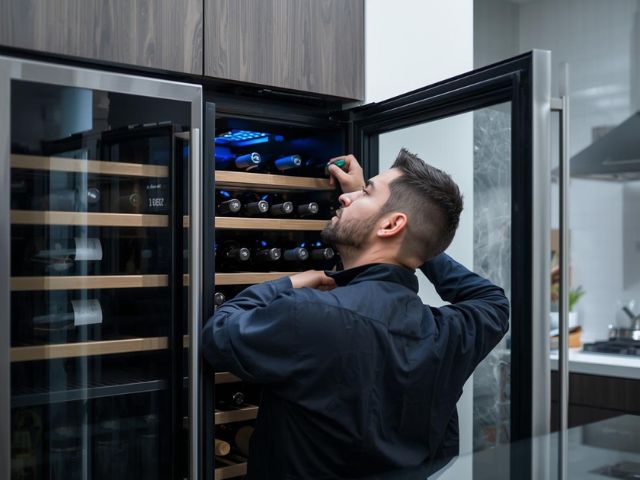
KitchenAid Leak Prevention is essential for homeowners in Long Beach, where coastal humidity can already challenge home maintenance. Water leaks may start small, but they can quickly become one of the most expensive and stressful household problems, threatening floors, cabinets, and even structural integrity.
From refrigerators and dishwashers to ice makers and washing machines, KitchenAid appliances are known for performance and durability. However, like any hardworking system in your home, they require routine care. Understanding what causes leaks—and how to prevent them—can save thousands of dollars in water damage repairs and give you peace of mind year-round.
Let’s explore practical strategies to keep your KitchenAid appliances running leak-free.
Why Water Leaks Should Never Be Ignored
A minor puddle beneath your appliance might not seem urgent, but water has a way of traveling far beyond what’s visible. Left unchecked, leaks can cause:
- Warped hardwood floors
- Mold and mildew growth
- Damaged cabinetry
- Electrical hazards
- Increased water bills
In coastal cities like Long Beach, added moisture in the air can accelerate mold formation once water damage begins. Acting early is always the smarter—and less expensive—move.
Common Causes of KitchenAid Appliance Leaks
Different appliances leak for different reasons. Knowing what to look for helps you respond quickly.
Refrigerator Leaks
KitchenAid refrigerators often leak due to:
- Clogged defrost drains
- Cracked or loose water supply lines
- Faulty water inlet valves
- Improper leveling
A blocked defrost drain can cause water to pool inside the fridge and eventually spill onto the floor. Regular cleaning and inspection prevent this common issue.
If your refrigerator is also experiencing temperature inconsistencies, you may want to read our related blog, Ultimate Fix: How to Fix a Fridge That is Freezing Food, for additional maintenance insights.
Dishwasher Leaks
Dishwashers are especially prone to leaks due to:
- Worn door gaskets
- Loose hose connections
- Overloaded racks blocking spray arms
- Cracked pump seals
Even a slightly misaligned door can allow water to escape during high-pressure wash cycles. Inspecting seals and ensuring proper loading habits go a long way in prevention.
Ice Maker Overflows
An ice maker that overproduces or malfunctions can lead to slow but steady water accumulation. Causes include:
- Malfunctioning shut-off arms
- Defective inlet valves
- Incorrect water pressure
Since many Long Beach homes rely on built-in water lines for convenience, monitoring these components is crucial.
Washing Machine Leaks
KitchenAid washing machines can leak due to:
- Worn door boots (front-load models)
- Damaged drain hoses
- Overuse of detergent
- Unbalanced loads
Over-sudsing is particularly common and can push water past seals not designed for excessive foam buildup.
Preventative Maintenance That Protects Your Home
The best way to avoid leaks is proactive care. Simple monthly and quarterly checks make a significant difference.
1. Inspect Hoses and Connections
Check all visible hoses for:
- Cracks
- Bulges
- Corrosion around fittings
- Loose connections
Replace rubber hoses every 3–5 years, even if they appear intact. Stainless steel braided hoses offer added durability and peace of mind.
2. Keep Appliances Level
Appliances that aren’t level can cause water to pool improperly or strain internal components. Use a basic level tool to confirm even positioning, especially after moving or remodeling.
3. Clean Drains and Filters
Clogged filters and drains are among the most common causes of leaks.
- Clear refrigerator defrost drains annually
- Rinse dishwasher filters monthly
- Check washing machine drain traps regularly
Routine cleaning prevents water from backing up and escaping where it shouldn’t.
4. Monitor Water Pressure
High water pressure may seem harmless but can strain valves and hoses over time. If you notice banging sounds or sudden bursts of water, it may be time to test your home’s pressure regulator.
5. Replace Worn Seals Immediately
Door gaskets, rubber boots, and pump seals naturally wear down over time. Even minor cracks allow water to seep through during operation. Early replacement is far less costly than repairing damaged flooring.
Warning Signs You Shouldn’t Ignore
Leaks rarely appear without subtle clues. Watch for:
- Musty odors
- Warped flooring near appliances
- Dripping sounds when machines are off
- Increased water bills
- Rust or corrosion on appliance bases
If you detect any of these warning signs, scheduling professional inspection quickly can prevent escalating damage.
Long Beach Climate and Appliance Care
Living in Long Beach offers beautiful ocean views and coastal breezes—but humidity and salt air can accelerate wear on appliance components. Metal fittings and valves may corrode faster than in inland environments.
To combat coastal effects:
- Wipe down exposed fittings periodically
- Use corrosion-resistant hoses
- Keep appliances properly ventilated
- Avoid prolonged moisture buildup behind units
A little extra attention makes a noticeable difference in coastal homes.
When Professional Service Is the Smart Choice
While many preventative steps are DIY-friendly, some situations require expert care:
- Internal valve replacements
- Pump motor repairs
- Complex hose routing
- Electrical diagnostics
Attempting advanced repairs without proper tools can worsen the issue. That’s when turning to experienced technicians becomes the safest option.
Homeowners in Long Beach trust KitchenAid Appliance Repair Professionals for thorough inspections, accurate diagnostics, and reliable repairs. Addressing small issues early prevents costly restoration work later.
Smart Habits That Reduce Leak Risks
Beyond maintenance checks, everyday habits matter.
- Avoid slamming dishwasher and washer doors
- Don’t overload appliances
- Use manufacturer-recommended detergents
- Turn off water supply valves during extended vacations
These simple actions dramatically reduce strain on internal components.
The Cost of Ignoring a Small Leak
Water damage restoration can easily cost thousands of dollars depending on severity. Flooring replacement, mold remediation, and cabinet repair add up quickly. Insurance claims may also increase premiums.
In contrast, routine inspections and minor part replacements cost a fraction of large-scale repairs. Prevention truly pays.
Creating a Leak-Prevention Schedule
Consistency is key. Consider this simple schedule:
Monthly:
- Inspect hoses and connections
- Clean dishwasher filter
- Check for puddles or moisture
Quarterly:
- Examine refrigerator drain
- Test water pressure
- Inspect washing machine seals
Annually:
- Replace aging hoses
- Schedule professional maintenance check
Keeping a reminder on your phone or calendar ensures these small tasks don’t get overlooked.
Peace of Mind Starts with Prevention
Your KitchenAid appliances are central to daily life—from preparing meals to cleaning dishes and laundry. Protecting them from water leaks protects your entire home.
Long Beach homeowners understand the value of safeguarding their investments. With regular maintenance, awareness of warning signs, and timely professional service, you can avoid unnecessary stress and expenses.
A dry floor today means a secure home tomorrow.
Frequently Asked Questions
- Why is my KitchenAid refrigerator leaking water onto the floor?
Common causes include clogged defrost drains, cracked water lines, or faulty inlet valves. Inspecting these components early prevents larger issues. - How often should appliance hoses be replaced?
Rubber hoses should be replaced every 3–5 years. Stainless steel braided hoses typically last longer and provide better durability. - Can high water pressure cause appliance leaks?
Yes. Excessive pressure strains valves and hoses, increasing the likelihood of leaks over time. - Is a small dishwasher leak serious?
Even minor leaks can lead to mold, warped flooring, and hidden water damage if left untreated. - Should I turn off water valves when traveling?
Yes. Shutting off appliance water supply valves during extended absences reduces the risk of unexpected leaks.
Protect Your Long Beach Home from Costly Water Damage
Preventing water leaks from KitchenAid appliances isn’t complicated—but it does require attention and consistency. By staying proactive, inspecting key components, and seeking expert support when necessary, you safeguard your home against avoidable damage.
If you suspect a leak or want added assurance, scheduling a professional inspection today can save you from tomorrow’s headache. Your home deserves reliable performance—keep it dry, safe, and worry-free.