


Summer in Los Angeles brings long sunny days, rising temperatures, and increased household activity. While the warm weather is often welcomed, it can put unexpected strain on home appliances—especially your dryer. KitchenAid dryers are built for durability and performance, but even premium appliances need seasonal care to stay efficient during hot, dry months.
A simple summer checklist can help homeowners avoid costly repairs, reduce energy consumption, and extend the life of their dryer. With a few proactive steps, you can ensure your KitchenAid dryer operates safely and smoothly all season long.
Why Summer Heat Impacts Dryer Performance
Los Angeles summers are known for intense heat waves and low humidity levels. These environmental conditions may seem harmless, but they can affect how your dryer ventilates, cools, and regulates internal components. When outdoor air is already hot, dryers must work harder to release heat through the exhaust system, increasing strain on the motor and heating element.
Excess heat buildup can also cause sensors to misread temperatures, leading to longer drying cycles or inconsistent results. Over time, this added stress can lead to premature wear and tear, especially if lint buildup or airflow restrictions are present.
Understanding these seasonal challenges helps homeowners stay ahead of potential problems and maintain consistent drying performance.
Clean the Lint Trap and Vent System More Frequently
Lint buildup is one of the leading causes of dryer inefficiency and overheating. During summer, when airflow is already restricted by hot outdoor air, even small lint accumulations can significantly reduce ventilation.
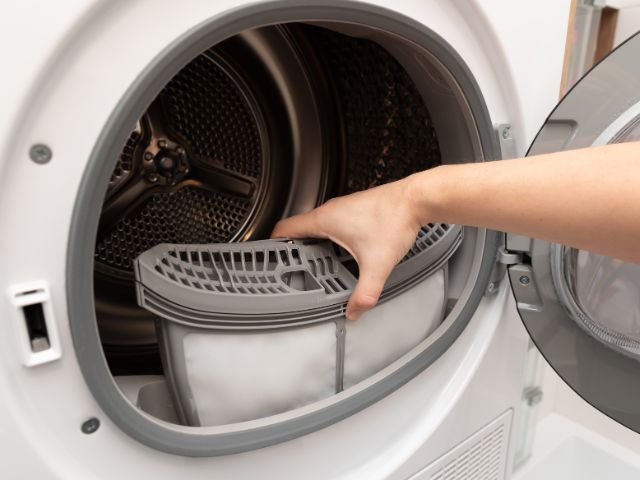
Make it a habit to clean the lint trap after every load. Beyond that, inspect and clean the dryer vent and exhaust duct at least once a month during peak summer use. Removing lint and debris improves airflow, helps your dryer release heat effectively, and reduces the risk of overheating or fire hazards.
A properly ventilated dryer not only dries clothes faster but also uses less energy—an important benefit when electricity usage tends to rise during hot months.
Check the Outdoor Vent for Obstructions
Many Los Angeles homes have exterior dryer vents located on side walls or rooftops. Summer winds, dust, and even bird activity can cause these vents to become partially blocked. A clogged vent cap prevents hot air from escaping, forcing the dryer to operate at higher temperatures.
Inspect the outdoor vent regularly to ensure the flap opens freely when the dryer is running. Remove any visible debris, nests, or lint accumulation. This small maintenance step ensures proper airflow and helps prevent overheating during peak summer temperatures.
Avoid Overloading Your Dryer in Hot Weather
Overloading your dryer is never ideal, but it becomes especially problematic during summer. Large loads trap heat and moisture, forcing the appliance to run longer cycles to achieve the same results. This extended operation increases wear on internal components and raises energy costs.
Instead, dry medium-sized loads that allow hot air to circulate evenly through fabrics. Not only does this improve drying efficiency, but it also helps maintain consistent drum temperature and reduces stress on the motor and belt system.
Keep the Laundry Area Well-Ventilated
Laundry rooms in Los Angeles homes are often located in garages, closets, or enclosed spaces. During summer, these areas can become extremely hot, limiting the dryer’s ability to cool itself properly.
Improving ventilation in the laundry area can make a noticeable difference. Consider keeping doors open during drying cycles, using a small fan to circulate air, or ensuring vents and windows remain unobstructed. A cooler environment helps your dryer maintain stable operating temperatures and prevents internal components from overheating.
Inspect Power Connections and Electrical Components
High summer temperatures can cause electrical components to expand slightly, which may loosen connections over time. A loose or worn power cord, outlet, or terminal connection can lead to inconsistent performance or even pose safety risks.
Check for signs such as flickering dryer lights, unusual smells, or intermittent power loss. If any of these symptoms appear, it’s best to consult a qualified technician to inspect and secure electrical connections before the issue escalates.
Professional inspections ensure that your dryer operates safely under increased summer demand.
Watch for Warning Signs of Overheating
KitchenAid dryers are designed with safety features, but homeowners should still watch for early signs of overheating. Indicators include:
- Clothes that feel unusually hot after drying
- Burning or musty odors
- The dryer shutting off mid-cycle
- Longer drying times despite normal load sizes
These symptoms often point to airflow issues, thermostat problems, or internal lint buildup. Addressing them early helps prevent major component damage and reduces the likelihood of sudden breakdowns during peak summer use.
Schedule Seasonal Maintenance for Optimal Efficiency
Routine maintenance is one of the most effective ways to keep your KitchenAid dryer running smoothly through Los Angeles summers. A professional technician can inspect internal components, clean hard-to-reach lint buildup, and test heating and airflow systems for proper operation.
Homeowners looking for reliable local support can reach out to KitchenAid Appliance Repair Professionals for expert servicing and preventive maintenance. Regular tune-ups not only improve efficiency but also help identify small issues before they become costly repairs.
Adjust Dryer Settings for Summer Loads
Many KitchenAid dryers offer multiple drying modes and temperature settings. During summer, using high heat unnecessarily can accelerate wear on fabrics and appliance components.
Opt for moisture-sensing or eco-friendly cycles when possible. These settings automatically adjust drying time based on humidity levels in the drum, preventing over-drying and reducing energy usage. Lower heat settings are often sufficient during warm weather and can help maintain the longevity of both your clothes and your dryer.
Reduce Indoor Heat by Timing Your Laundry Cycles
Running a dryer during the hottest part of the day can raise indoor temperatures and force your air conditioning system to work harder. This not only increases energy costs but also adds stress to both appliances.
Try scheduling laundry cycles during early morning or late evening hours when outdoor temperatures are lower. This simple change helps maintain a comfortable indoor environment while allowing your dryer to operate under less thermal stress.
Maintain the Drum and Door Seal
Dust, lint, and fabric residue can accumulate inside the drum and around the door seal, especially during periods of frequent summer laundry. These materials may trap heat and reduce airflow efficiency inside the drum.
Wipe down the drum interior and door gasket regularly using a soft cloth. Keeping these surfaces clean helps maintain proper airflow and ensures the door seal remains airtight, preventing heat leakage during operation.
Protect Your Dryer During Heat Waves
Los Angeles heat waves can push temperatures well above normal seasonal averages. During these periods, your dryer may already be operating close to its thermal limits.
If possible, reduce dryer usage during extreme heat or space out laundry loads to give the appliance time to cool between cycles. This precaution helps prevent overheating and prolongs the lifespan of critical components such as thermostats and heating elements.
Stay Proactive With Year-Round Appliance Care
Seasonal maintenance shouldn’t stop once summer ends. Appliances perform best when cared for throughout the year. Many homeowners find it helpful to follow a broader maintenance routine that includes other household appliances as well.
For additional insights on maintaining laundry equipment, explore our related article, Extend Your Appliance’s Lifespan: Holiday Washer Maintenance Tips, which shares practical advice for keeping your washer in peak condition during busy seasons.
Benefits of Following a Summer Dryer Checklist
Taking a proactive approach to dryer maintenance offers several long-term advantages:
- Improved drying performance and shorter cycles
- Lower energy consumption and utility bills
- Reduced risk of overheating or fire hazards
- Extended lifespan of internal components
- Fewer unexpected repair costs
By investing a small amount of time into routine checks and cleaning, homeowners can avoid the inconvenience and expense of emergency repairs during peak summer months.
Common Mistakes Los Angeles Homeowners Should Avoid
Even well-meaning homeowners sometimes overlook key maintenance steps. Some of the most common mistakes include:
- Ignoring slow drying times and assuming it’s normal in summer
- Skipping vent cleaning because the lint trap looks clean
- Running consecutive heavy loads without giving the dryer time to cool
- Blocking airflow around the dryer with storage boxes or laundry baskets
Avoiding these habits helps ensure your KitchenAid dryer continues to operate efficiently and safely, even during the hottest days of the year.
Keeping Your KitchenAid Dryer Reliable All Summer Long
Summer in Los Angeles can be demanding on household appliances, but with the right care routine, your KitchenAid dryer can handle the season with ease. Regular cleaning, proper ventilation, mindful load management, and timely professional inspections all play a role in maintaining peak performance.
A simple checklist followed consistently can help prevent common seasonal issues, reduce energy costs, and keep your laundry routine running smoothly. By staying proactive and attentive to your dryer’s needs, you protect both your appliance investment and your household comfort throughout the summer months.