


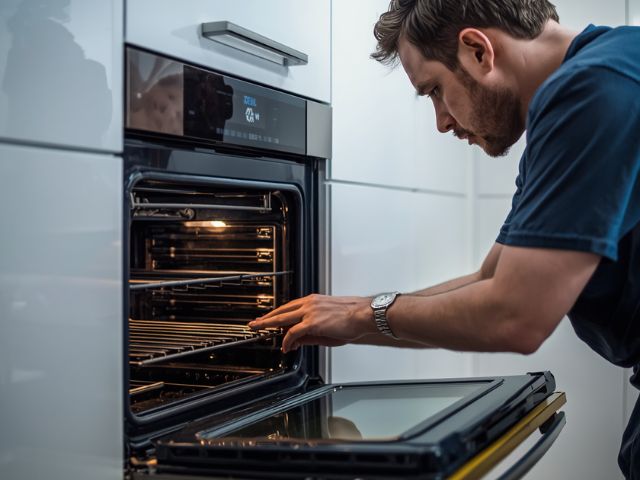
Hot weather can put unexpected strain on kitchen appliances, especially ovens that already operate at high internal temperatures. When outdoor heat combines with intense cooking sessions, your KitchenAid oven may work harder than usual, increasing the risk of overheating, component wear, and uneven cooking performance. Understanding how heat affects your oven—and what steps to take—can make a major difference in keeping it reliable year-round.
Maintaining optimal performance during warmer months is not just about comfort; it helps extend the appliance’s lifespan, improves energy efficiency, and ensures safe cooking conditions for your household.
Why High Temperatures Put Extra Stress on Your Oven
Ovens are engineered to handle internal heat, but they rely on surrounding air to cool down external components and maintain balance. During heat waves or prolonged hot seasons, the ambient temperature in your kitchen rises, reducing the oven’s ability to dissipate heat effectively. This can lead to:
- Overworked cooling fans
- Strained electrical components
- Increased internal pressure on seals and insulation
- Longer preheating and recovery times
When these conditions persist, even a high-quality KitchenAid oven can experience performance inconsistencies or premature wear.
Signs Your KitchenAid Oven Is Struggling in Hot Weather
Recognizing early warning signs helps prevent minor issues from escalating into costly repairs. Watch for these indicators during periods of high heat:
- The oven exterior feels excessively hot to the touch
- Cooking times become unpredictable or longer than usual
- Error codes or sudden shutdowns occur
- The cooling fan runs constantly or unusually loudly
- Food cooks unevenly despite standard settings
If you notice these symptoms, it may be time to inspect airflow, seals, or internal components before further damage occurs.
Keep Airflow Around Your Oven Clear and Unrestricted
Proper ventilation is one of the most important factors in protecting your oven during hot weather. Built-in and slide-in models rely on surrounding airflow to regulate temperature around electrical components and control boards.
Ensure there is sufficient clearance around your appliance:
- Avoid storing pans, foil, or containers in the oven’s lower vents
- Keep cabinets above and beside the oven from trapping heat
- Use your kitchen exhaust fan or range hood when cooking
Maintaining clear airflow allows your oven to cool down efficiently and reduces the strain on internal fans and thermal sensors.
Check and Maintain Door Seals to Prevent Heat Loss
The door gasket plays a crucial role in maintaining internal cooking temperature while protecting the external components from excessive heat exposure. Over time, rubber seals can become brittle, warped, or loose—especially when exposed to continuous high temperatures.
Inspect your oven door seal regularly for:
- Cracks or hardening
- Gaps between the gasket and door frame
- Areas where the seal appears flattened or worn
Replacing a damaged gasket is a relatively simple fix that dramatically improves temperature stability and prevents unnecessary heat from escaping into your kitchen.
Avoid Overworking the Oven During Peak Heat Hours
During extremely hot days, it’s wise to adjust your cooking schedule. Running the oven during midday heat forces it to operate in already elevated temperatures, making cooling less efficient.
Consider these practical habits:
- Bake or roast early in the morning or later in the evening
- Use smaller countertop appliances when possible
- Cook multiple dishes in one session rather than reheating repeatedly
Reducing usage during peak heat hours not only protects your oven but also helps maintain a more comfortable kitchen environment.
Clean Interior Surfaces to Improve Heat Distribution
Grease, food residue, and carbon buildup inside the oven can affect how heat circulates. When airflow inside the cavity is obstructed, the oven must work harder to maintain the set temperature, especially in hot conditions.
Regular interior cleaning ensures:
- Even heat distribution
- Faster preheating
- Reduced risk of smoke and burning odors
Use manufacturer-approved cleaning methods and avoid harsh chemicals that may damage interior coatings or sensitive components.
Don’t Ignore the Role of the Cooling Fan
Modern KitchenAid ovens are equipped with cooling fans designed to regulate the temperature of electronic parts and the outer casing. During hot weather, these fans operate more frequently and may continue running even after the oven is turned off.
This behavior is normal, but if you notice:
- Excessive noise
- A fan that never shuts off
- A burning smell or hot air blasting from vents
it may indicate a malfunction or blockage. Addressing fan issues promptly prevents overheating and protects vital electronic systems.
Keep Electrical Connections Safe and Stable
High temperatures can affect electrical resistance and cause wiring or connections to expand slightly. Over time, this may lead to loose connections or increased wear on wiring insulation.
It’s important to:
- Ensure the oven is plugged into a properly grounded outlet
- Avoid using extension cords or overloaded circuits
- Periodically check for signs of overheating near the power connection
If you suspect electrical issues, professional inspection is the safest route to prevent hazards or appliance damage.
Use Smart Cooking Techniques to Reduce Heat Strain
Simple changes in cooking habits can significantly reduce the thermal stress placed on your oven during hot weather. For example:
- Preheating only when necessary
- Keeping the oven door closed to prevent heat loss
- Using convection settings to cook faster and at lower temperatures
These adjustments help maintain consistent performance while minimizing the workload on heating elements and internal fans.
Schedule Preventive Maintenance Before Summer Peaks
Routine servicing ensures that your KitchenAid oven is prepared for the challenges of seasonal heat. Professional technicians can check for early signs of component fatigue, recalibrate temperature sensors, and ensure ventilation systems are functioning properly.
If you prefer expert assistance, KitchenAid Appliance Repair Professionals offer specialized diagnostics and maintenance tailored specifically to KitchenAid appliances. A single professional checkup can prevent multiple future breakdowns and keep your oven operating safely during high-temperature conditions.
Keep Your Entire Kitchen Ecosystem in Mind
Your oven does not operate in isolation. Other appliances—such as refrigerators, dishwashers, and dryers—also generate heat that can raise the ambient temperature of your kitchen. Running several heat-producing appliances simultaneously during summer can create a thermal overload in the space.
Coordinating appliance usage helps:
- Maintain cooler room temperatures
- Reduce strain on ventilation systems
- Improve overall energy efficiency
If you’ve recently dealt with appliance issues elsewhere in your home, you may also find helpful insights in this related read:
DIY Fix: KitchenAid Dryer Not Spinning Quick Tips
Protect Sensitive Components From Long-Term Heat Exposure
Electronic control boards, sensors, and wiring harnesses are among the most heat-sensitive parts of any oven. Prolonged exposure to high external temperatures can accelerate wear and cause erratic behavior, such as random shutoffs or inaccurate temperature readings.
Keeping your kitchen well-ventilated, avoiding extended high-temperature cooking sessions, and maintaining seals and fans all contribute to safeguarding these internal systems.
The Importance of Accurate Temperature Calibration
When outside temperatures rise, oven sensors may occasionally struggle to maintain precise calibration. This can lead to food that is undercooked on the inside or overly browned on the outside.
Periodic calibration checks help ensure:
- Recipes cook as intended
- Baking results remain consistent
- The oven does not overcompensate by running hotter than necessary
If you notice repeated inconsistencies in baking results, recalibration or sensor replacement may be necessary.
Simple Habits That Extend the Life of Your KitchenAid Oven
Small daily habits often have the biggest long-term impact on appliance health. To help your oven last longer and perform reliably even in extreme weather, remember to:
- Wipe spills immediately after the oven cools
- Avoid slamming the oven door, which can damage seals
- Use cookware that allows proper air circulation
- Turn off the oven a few minutes early and let residual heat finish cooking
These steps reduce wear on heating elements, fans, and door components while improving energy efficiency.
When Professional Help Becomes Necessary
Despite careful maintenance, some issues require trained expertise. If your oven frequently overheats, trips circuit breakers, or fails to maintain temperature, continuing to use it may cause further damage or create safety risks.
Professional technicians can:
- Diagnose hidden electrical or sensor problems
- Replace worn components with genuine parts
- Ensure your appliance meets safety and performance standards
Timely service prevents small heat-related issues from escalating into major repairs or full appliance replacement.
Final Thoughts on Heat-Proofing Your KitchenAid Oven
Seasonal heat doesn’t have to compromise your cooking routine or your appliance’s reliability. With proper ventilation, mindful cooking habits, routine cleaning, and timely maintenance, your KitchenAid oven can continue delivering consistent, high-quality results even during the hottest months of the year.
Treating your oven as a long-term investment means paying attention to the environmental factors that affect its performance. By staying proactive and addressing heat-related stress early, you can keep your kitchen running smoothly, your meals perfectly cooked, and your appliance operating efficiently for years to come.