


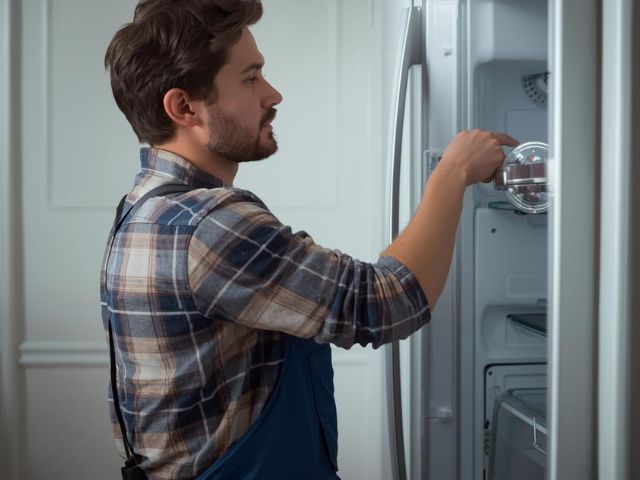
A refrigerator is one of the hardest-working appliances in any household. In many Santa Monica homes, it runs day and night to keep food fresh, drinks cold, and daily routines running smoothly. Because it operates continuously, it’s normal to hear occasional humming or light vibrations. However, when those sounds turn into loud buzzing, rattling, or knocking noises, it quickly becomes frustrating—especially in open-concept homes or quiet evenings near the coast.
Understanding why refrigerators become noisy can help homeowners prevent bigger problems while maintaining comfort at home. Many refrigerator sounds are surprisingly easy to fix without complicated tools or technical knowledge. With a little attention and routine care, you can often restore quiet operation and extend the lifespan of your appliance.
Why Refrigerators Suddenly Become Loud
Refrigerators naturally produce sound while cooling, circulating air, and running internal components. The issue begins when certain parts struggle to function efficiently. Santa Monica’s coastal climate, combined with daily appliance usage, can contribute to wear over time.
Common causes of unusual refrigerator noise include:
- Loose components or panels
- Uneven flooring or improper leveling
- Dirty condenser coils
- Fan obstructions
- Compressor strain
- Ice buildup inside the freezer
Many homeowners assume loud noises mean immediate replacement is necessary, but that’s rarely the case. Often, the solution is much simpler than expected.
Leveling Your Refrigerator for Instant Noise Reduction
One of the most overlooked reasons refrigerators become noisy is improper leveling. Homes in Santa Monica sometimes experience minor floor settling, which can shift appliances slightly out of alignment.
When a refrigerator isn’t level, vibrations increase and internal parts work harder than necessary. This often creates rattling or humming sounds.
Here’s how to correct it:
- Check whether the refrigerator rocks when gently pushed.
- Adjust the front leveling legs using a wrench or screwdriver.
- Ensure the appliance tilts slightly backward so doors close naturally.
- Place anti-vibration pads underneath if flooring amplifies sound.
A properly balanced refrigerator immediately reduces vibration noise and improves cooling efficiency.
Cleaning Condenser Coils Makes a Big Difference
Dust accumulation is another common culprit behind noisy refrigerators. Condenser coils release heat generated during cooling, but when coated with dirt or pet hair, the system struggles to operate smoothly.
Santa Monica homes near beaches may experience faster buildup due to fine sand particles and airflow from open windows.
To clean the coils:
- Unplug the refrigerator.
- Locate coils behind or beneath the unit.
- Use a coil brush or vacuum attachment.
- Remove debris carefully without bending components.
Cleaning coils every six months not only reduces noise but also lowers energy consumption.
Checking the Evaporator and Condenser Fans
Fans play a crucial role in circulating cold air. When debris, frost, or worn bearings interfere with fan movement, unusual noises often follow.
Typical sounds include:
- Clicking
- High-pitched squealing
- Grinding
- Loud buzzing
Open the freezer compartment and listen carefully. If noise changes when the door opens, the evaporator fan may be responsible.
Simple steps homeowners can try include:
- Removing visible ice buildup
- Ensuring food packages don’t block vents
- Checking for loose items touching the fan cover
Persistent fan noise may require professional inspection, especially if parts begin wearing out.
Rear Panel Vibrations and Loose Components
Sometimes the solution is surprisingly simple: tightening screws. Refrigerators vibrate slightly during operation, and over time, panels or internal brackets may loosen.
Inspect:
- Rear access panels
- Drain pans
- Compressor mounting brackets
- Shelving and storage bins
Even small vibrations can echo through kitchen cabinetry, making the refrigerator seem louder than it actually is.
Adding foam insulation or repositioning the appliance slightly away from walls can also reduce sound reflection.
Ice Maker Noises Explained
Modern refrigerators often include automatic ice makers, which introduce additional moving parts. While occasional clicking or water filling sounds are normal, excessive noise may indicate a minor issue.
Possible causes include:
- Low water pressure
- Misaligned ice trays
- Frozen water lines
- Ice buildup preventing proper rotation
If the ice maker isn’t frequently used, turning it off temporarily can help determine whether it’s the source of the noise.
When Temperature Settings Affect Sound Levels
Few homeowners realize that incorrect temperature settings can increase refrigerator noise. When temperatures are set too low, the compressor runs longer cycles to maintain extreme cooling.
Recommended settings typically include:
- Refrigerator: 37–40°F
- Freezer: 0–5°F
Adjusting temperatures slightly often reduces compressor workload and lowers operational noise without affecting food safety.
The Role of Proper Airflow Around Your Appliance
Kitchen layouts in Santa Monica homes often prioritize style and compact design, but limited airflow around appliances can create overheating and louder operation.
Refrigerators require breathing room to function efficiently.
Maintain:
- At least one inch of space on sides
- Several inches behind the unit
- Clear ventilation above if enclosed in cabinetry
Improved airflow helps internal systems cool properly, reducing strain and unwanted sound.
Smart Maintenance Habits That Prevent Future Noise
Consistent maintenance is the easiest way to keep refrigerators running quietly year-round. Small preventative actions can eliminate many common noise problems before they start.
Helpful habits include:
- Cleaning coils regularly
- Avoiding overloading shelves
- Checking door seals for tight closure
- Defrosting when frost accumulates
- Keeping refrigerator contents organized
Homeowners who maintain appliances routinely often avoid costly repairs altogether.
For additional appliance care techniques, many readers also find helpful insights in Easy Steps on How to Reset KitchenAid Appliances at Home, which explains simple troubleshooting methods that restore appliance performance quickly.
Recognizing Sounds That Require Professional Attention
While many noises have simple fixes, some sounds signal deeper mechanical concerns that shouldn’t be ignored.
Watch for:
- Loud knocking from the compressor
- Continuous buzzing that doesn’t stop
- Burning smells alongside noise
- Sudden cooling failure
- Repeated clicking without startup
These symptoms may indicate electrical or compressor-related issues requiring trained technicians.
Homeowners seeking reliable assistance often turn to KitchenAid Appliance Repair Professionals for experienced diagnostics and dependable appliance solutions when troubleshooting steps no longer resolve the issue.
How Coastal Living Impacts Refrigerator Performance
Santa Monica’s beautiful coastal environment offers ocean breezes and mild temperatures, but it also introduces factors that influence appliance longevity.
Salt air and humidity can gradually affect metal components, electrical connections, and ventilation systems. Over time, this exposure may contribute to increased operational noise.
Protective measures include:
- Cleaning exterior surfaces regularly
- Keeping vents dust-free
- Avoiding placement near direct sunlight
- Ensuring kitchens remain well ventilated
Understanding environmental impact helps homeowners make smarter maintenance decisions.
Energy Efficiency and Noise Often Go Hand in Hand
Interestingly, louder refrigerators frequently consume more energy. When parts struggle due to dirt buildup, airflow restrictions, or mechanical stress, the system compensates by running longer cycles.
Reducing noise often results in:
- Lower electricity bills
- Improved cooling consistency
- Extended appliance lifespan
- Reduced environmental impact
Quiet operation usually signals that a refrigerator is functioning efficiently.
Creating a Peaceful Kitchen Environment Again
The kitchen is often the heart of Santa Monica homes—a place for cooking, conversations, and relaxation after long days. Persistent appliance noise can disrupt that comfort more than people realize.
Fortunately, most refrigerator sounds stem from manageable issues rather than major failures. Simple adjustments like leveling the unit, cleaning coils, improving airflow, or checking internal components can dramatically reduce noise within minutes.
Taking proactive steps not only restores peace and quiet but also protects one of the most important appliances in your home.
When homeowners stay attentive to early warning signs and perform regular maintenance, refrigerators continue operating smoothly for many years. A quieter kitchen isn’t just about comfort—it’s a sign your appliance is working exactly as it should.